01 |Non-Possessive Economics
Non-Possessive Economics: A Faith-Driven Reconstruction of Economic Paradigms
Abstract
An overview of the historical context, theological foundations, core principles, and practical implications of Non-Possessive Economics, a new economic paradigm inspired by spiritual values and aimed at addressing the structural crisis of capitalism.An overview of the historical context, theological foundations, core principles, and practical implications of Non-Possessive Economics, a new economic paradigm inspired by spiritual values and aimed at addressing the structural crisis of capitalism.
Table of Contents
Chapter 1: Protestant Ethics and the Theological Foundation of Non- Possessive Economics (Weber, 1905)
Introduction
In the evolution of modern capitalism, the logic of wealth accumulation and possessive ownership has been widely accepted as the default engine of economic behavior. Yet, when we trace the spiritual origins of this system, we uncover a deeper theological foundation: the Protestant ethic—rooted in ideas such as “work as a calling” and “discipline as virtue”— originally provided the moral framework for early capitalism. This chapter seeks to revive that spiritual dimension by examining the biblical doctrines, the ethical practices of religious reformers, and the thought of faith-driven capitalists like John D. Rockefeller. It argues that the Non-Possessive Economy is not a rejection of capital, but a restoration and sanctification of its sacred origins.In the evolution of modern capitalism, the logic of wealth accumulation and possessive ownership has been widely accepted as the default engine of economic behavior. Yet, when we trace the spiritual origins of this system, we uncover a deeper theological foundation: the Protestant ethic—rooted in ideas such as “work as a calling” and “discipline as virtue”—originally provided the moral framework for early capitalism. This chapter seeks to revive that spiritual dimension by examining the biblical doctrines, the ethical practices of religious reformers, and the thought of faith-driven capitalists like John D. Rockefeller. It argues that the Non-Possessive Economy is not a rejection of capital, but a restoration and sanctification of its sacred origins. (Weber, 1905)
The core principle of Non-Possessive Economics—“connection without possession” and “use without ownership”—is not a utopian abstraction. It is grounded in the biblical reality that God is the ultimate owner of all things, and humanity serves as entrusted stewards.
This chapter explores four interwoven threads: Max Weber’s interpretation of Protestant
ethics, biblical conceptions of wealth and possession, Rockefeller’s philanthropic economic philosophy, and the historical tradition of religious giving. Together, these theological perspectives establish a foundation for Non-Possessive Economics—not merely as an economic reform, but as a return to a sacred way of life rooted in service rather than possession.The core principle of Non-Possessive Economics—“connection without
possession” and “use without ownership”—is not a utopian abstraction. It is grounded in the biblical reality that God is the ultimate owner of all things, and humanity serves as entrusted stewards. This chapter explores four interwoven threads: Max Weber’s interpretation of Protestant ethics, biblical conceptions of wealth and possession, Rockefeller’s philanthropic economic philosophy, and the historical tradition of religious giving. Together, these theological perspectives establish a foundation for Non-Possessive Economics—not merely as an economic reform, but as a return to a sacred way of life rooted in service rather than possession. (Weber, 1905)
1.1 Max Weber and the Spirit of Capitalism (Weber, 1905)
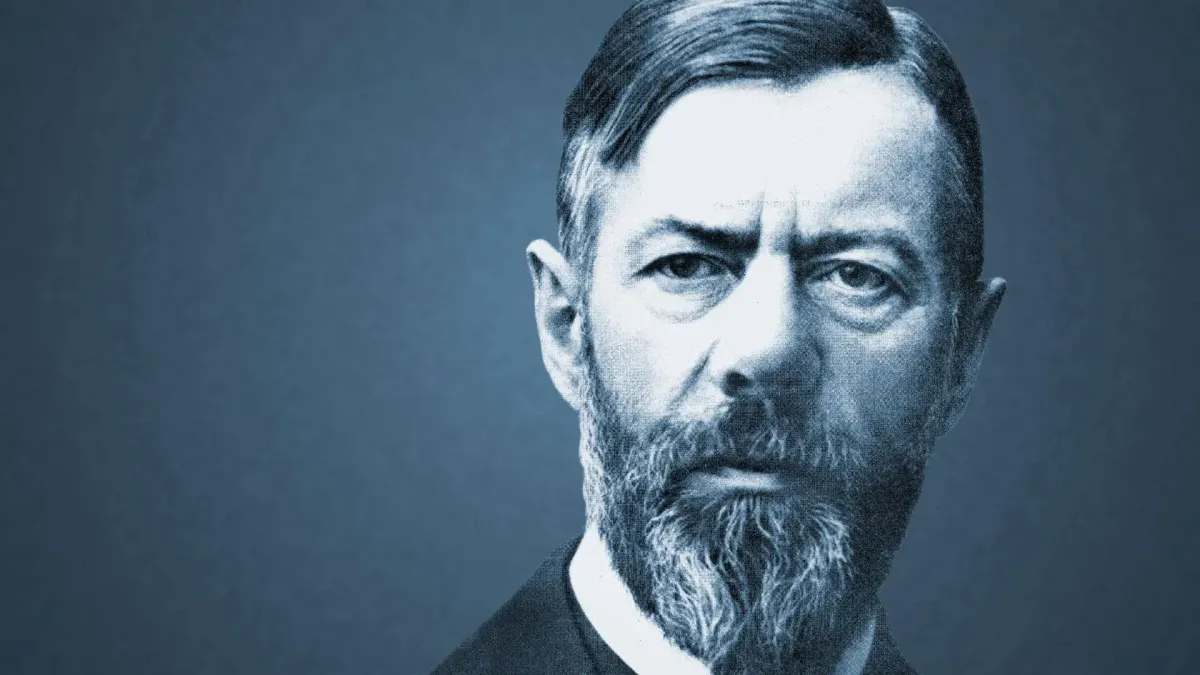
In his seminal work The Protestant Ethic and the Spirit of Capitalism, Max Weber argues that the rise of modern capitalism was not solely driven by economic or technological forces, but by a distinctive religious ethic rooted in Protestantism—particularly Calvinism. The doctrine of worldly asceticism, as Weber described, became a deep motivational force behind capital accumulation, disciplined labor, and personal responsibility.In his seminal work The Protestant Ethic and the Spirit of Capitalism, Max Weber argues that the rise of modern capitalism was not solely driven by economic or technological forces, but by a distinctive religious ethic rooted in Protestantism—particularly Calvinism. The doctrine of worldly asceticism, as Weber described, became a deep motivational force behind capital accumulation, disciplined labor, and personal responsibility. (Weber, 1905)
Calvinist theology, with its emphasis on predestination, offered no assurance of salvation. As a result, believers sought worldly signs of divine favor. Success in one’s vocation, achieved through hard work, frugality, and reinvestment of profits, was seen as evidence of being among the elect. Thus, work took on a sacred meaning—it became a “calling”—and capital accumulation was interpreted as a visible sign of divine blessing.Calvinist theology, with its emphasis on predestination, offered no assurance of salvation. As a result, believers sought worldly signs of divine favor. Success in one’s vocation, achieved through hard work, frugality, and reinvestment of profits, was seen as evidence of being among the elect. Thus, work took on a sacred meaning—it became a “calling”—and capital accumulation was interpreted as a visible sign of divine blessing.
However, Weber warned that once detached from its religious context, this ascetic spirit could devolve into a cold, rationalized system of profit-maximization, imprisoning individuals in what he famously termed the “iron cage” of modernity. Labor becomes reduced to performance metrics; accumulation is no longer a fruit of faith but the goal itself; and possession becomes the rational means of control.However, Weber warned that once detached from its religious context, this ascetic spirit could devolve into a cold, rationalized
system of profit-maximization, imprisoning individuals in what he famously termed the “iron cage” of modernity. Labor becomes reduced to performance metrics; accumulation is no longer a fruit of faith but the goal itself; and possession becomes the rational means of control. (Weber, 1905)
Non-Possessive Economics builds upon this critique, seeking to recover the original spiritual vitality of Protestant ethics. It draws from core elements such as vocation as mission, discipline as liberation, and service as glory. In this vision, capital is not an end but a trust—a resource stewarded for higher social and spiritual purposes. Labor is no longer in service of accumulation but of connection, service, and good.Non-Possessive Economics builds upon this critique, seeking to recover the original spiritual vitality of Protestant ethics. It draws from core elements such as vocation as mission, discipline as liberation, and service as glory. In this vision, capital is not an end but a trust—a resource stewarded for higher social and spiritual purposes. Labor is no longer in service of accumulation but of connection, service, and good. (Weber, 1905)
If we return to the authentic impulse behind the “Protestant spirit” as Weber described, we see that the true engine of human progress was never the desire to possess—but the calling to serve, to fulfill one’s duty, and to manifest faith through action. This is the theological foundation upon which the Non-Possessive Economy begins.If we return to the authentic impulse behind the “Protestant spirit” as Weber described, we see that the true engine of human progress was never the desire to possess—but the calling to serve, to fulfill one’s duty, and to manifest faith through action. This is the theological foundation upon which the Non-Possessive Economy begins. (Weber, 1905)
1.2 Biblical Perspectives on Wealth and Possession—Spiritual Roots of Non-Possessive Economics
In constructing a theological foundation for non-possessive economics, the Bible’s perspective on wealth and ownership carries profound significance. In contrast to modern capitalism’s "ownership is power" ideology, the scriptures consistently remind believers to be cautious of the temptations of wealth. While wealth itself is not condemned, the Bible emphasizes the purpose of its use and the disposition of the heart.In constructing a theological foundation for non-possessive economics, the Bible’s perspective on wealth and ownership carries profound significance. In contrast to modern capitalism’s "ownership is power" ideology, the scriptures consistently remind believers to be cautious of the temptations of wealth. While wealth itself is not condemned, the Bible emphasizes the purpose of its use and the disposition of the heart. (NIV Bible, Matthew 6:24)
In the Old Testament, the Book of Deuteronomy states clearly: “But remember the Lord your God, for it is he who gives you the ability to produce wealth.” (Deut. 8:18, NIV). This reveals that wealth originates from divine grace, not solely from human effort, and thus should not breed arrogance or entitlement. Similarly, Ecclesiastes offers a sobering reflection on material accumulation: “I have seen all the things that are done under the sun;
all of them are meaningless, a chasing after the wind.” (Eccl. 1:14). These verses deconstruct the ideology of possessiveness and underscore that wealth is not an end in itself, but a means to serve divine purpose.In the Old Testament, the Book of Deuteronomy states clearly: “But remember the Lord your God, for it is he who gives you the ability to produce wealth.” (Deut. 8:18, NIV). This reveals that wealth originates from divine grace, not solely from human effort, and thus should not breed arrogance or entitlement. Similarly,
Ecclesiastes offers a sobering reflection on material accumulation: “I have seen all the things that are done under the sun; all of them are meaningless, a chasing after the wind.” (Eccl.
1:14). These verses deconstruct the ideology of possessiveness and underscore that wealth is not an end in itself, but a means to serve divine purpose.
In the New Testament, Jesus frequently warns against the spiritual dangers of wealth:
“Truly I tell you, it is hard for someone who is rich to enter the kingdom of heaven.” (Matt. 19:23), and “No one can serve two masters... You cannot serve both God and money.” (Matt. 6:24). These teachings clarify that when wealth becomes an ultimate goal, it supplants God’s sovereignty, turning into a form of idolatry.In the New Testament, Jesus frequently warns against the spiritual dangers of wealth: “Truly I tell you, it is hard for someone who is rich to enter the kingdom of heaven.” (Matt. 19:23), and “No one can serve two masters... You cannot serve both God and money.” (Matt. 6:24). These teachings clarify that when wealth becomes an ultimate goal, it supplants God’s sovereignty, turning into a form of idolatry. (NIV Bible, Matthew 6:24)
Yet the Bible does not wholly reject wealth. Job was a man of great riches, as was King Solomon, who also possessed unmatched wisdom. Both men, however, treated wealth as part of God’s plan, bearing responsibility and fulfilling a mission beyond themselves. Jesus himself accepted a woman’s costly perfume as an act of devotion without condemning it as wasteful, implying that when wealth serves worship, it becomes sanctified.Yet the Bible does not wholly reject wealth. Job was a man of great riches, as was King Solomon, who also possessed unmatched wisdom. Both men, however, treated wealth as part of God’s plan, bearing responsibility and fulfilling a mission beyond themselves. Jesus himself accepted a woman’s costly perfume as an act of devotion without condemning it as wasteful, implying that when wealth serves worship, it becomes sanctified. (NIV Bible, Matthew 6:24)
From this perspective, the principles of non-possessive economics—to manage without claiming, to circulate without hoarding—are in deep harmony with biblical teachings. Wealth is viewed not as a badge of personal merit, but as a temporary stewardship entrusted by God for communal good and higher purpose.From this perspective, the principles of non-possessive economics—to manage without claiming, to circulate without hoarding—are in deep harmony with biblical teachings. Wealth is viewed not as a badge of personal merit, but as a temporary stewardship entrusted by God for communal good and higher purpose.
Moreover, Daoist wisdom from Tao Te Ching offers an ancient parallel: “Act without
possessing, lead without controlling.” (Chapter 10). The idea of wei er bu you (为而不有, “to
act but not to own”) aligns with the biblical notion of dominion as stewardship, not domination. Just as the Garden of Eden was given to humankind “to work and take care of it” (Gen. 2:15), but not to exploit or claim ownership, wealth in a non-possessive economy is meant to flow, serve, and return.Moreover, Daoist wisdom from Tao Te Ching offers an ancient parallel: “Act without possessing, lead without controlling.” (Chapter 10). The idea
of wei er bu you (为而不有, “to act but not to own”) aligns with the biblical notion of dominion as stewardship, not domination. Just as the Garden of Eden was given to humankind “to work and take care of it” (Gen. 2:15), but not to exploit or claim ownership, wealth in a non-possessive economy is meant to flow, serve, and return. (Laozi, trans. 1993)
In conclusion, if we accept Max Weber’s thesis that modern capitalism finds its roots in Protestant ethics, then we must also acknowledge that a possessive, hoarding economy contradicts the very spiritual ethos from which capitalism originally emerged. True capitalism, as a product of vocation and stewardship, is more authentically expressed through a non-possessive model—one aligned with both biblical revelation and spiritual conscience.In conclusion, if we accept Max Weber’s thesis that modern capitalism finds its roots in Protestant ethics, then we must also acknowledge that a possessive, hoarding economy contradicts the very spiritual ethos from which capitalism originally emerged.
True capitalism, as a product of vocation and stewardship, is more authentically expressed through a non-possessive model—one aligned with both biblical revelation and spiritual (Weber, 1905)
1.3 Rockefeller’s Philosophy of “Use over Possession” (Rockefeller, 1905)
When exploring the practical viability of non-possessive economics, John D. Rockefeller offers a compelling historical example. As one of the wealthiest individuals at the turn of the 20th century, Rockefeller not only built the Standard Oil empire but also espoused a deeply theological approach to wealth—emphasizing use over ownership, stewardship over greed.When exploring the practical viability of non-possessive economics, John D. Rockefeller offers a compelling historical example. As one of the wealthiest individuals at the turn of the 20th century, Rockefeller not only built the Standard Oil empire but also espoused a deeply theological approach to wealth—emphasizing use over ownership, stewardship over greed. (Rockefeller, 1905)
Born into a devout Protestant family, Rockefeller was steeped in Calvinist values that viewed wealth accumulation as a divine “calling,” not as evidence of personal ambition. In his journals, he wrote, “God gave me my money, and I must use it for His glory.” This conviction shaped his identity not as an owner of wealth, but as a steward. Guided by this faith, he channeled vast portions of his fortune into public service—founding institutions in education, health, and scientific research—and helped pioneer the modern philanthropic foundation.Born into a devout Protestant family, Rockefeller was steeped in Calvinist values that viewed wealth accumulation as a divine “calling,” not as evidence of personal ambition. In his journals, he wrote, “God gave me my money, and I must use it for His glory.” This conviction shaped his identity not as an owner of wealth, but as a steward. Guided by this
faith, he channeled vast portions of his fortune into public service—founding institutions in education, health, and scientific research—and helped pioneer the modern philanthropic foundation. (Rockefeller, 1905)
Unlike many capitalists who treat wealth as a means of power, Rockefeller believed that wealth gained legitimacy only when “rightly used.” His philosophy could be summarized as: “To accumulate is to distribute; to possess is to use; to use is to glorify God.” This aligns with the biblical principle: “From everyone who has been given much, much will be demanded.” (Luke 12:48)Unlike many capitalists who treat wealth as a means of power, Rockefeller believed that wealth gained legitimacy only when “rightly used.” His philosophy could be
summarized as: “To accumulate is to distribute; to possess is to use; to use is to glorify God.” This aligns with the biblical principle: “From everyone who has been given much, much will be demanded.” (Luke 12:48) (Rockefeller, 1905)
Though operating during an era of rapid capitalist expansion, Rockefeller’s attitude toward wealth revealed a spiritual countercurrent. He did not treat wealth as a symbol of superiority, but as a tool for societal service. He discouraged his children from indulgence and insisted that “every dollar must fulfill its proper function.” In practice, he institutionalized his wealth through foundations and advisory boards—limiting personal control and introducing early mechanisms for non-possessive financial governance.Though operating during an era of rapid capitalist expansion, Rockefeller’s attitude toward wealth revealed a spiritual countercurrent. He did not treat wealth as a symbol of superiority, but as a tool for societal service. He discouraged his children from indulgence and insisted that “every dollar must fulfill its proper function.” In practice, he institutionalized his wealth through foundations and advisory boards—limiting personal control and introducing early mechanisms for non-possessive financial governance. (Rockefeller, 1905)
Moreover, his view on ownership reflected a kind of theological relativism. Rockefeller did not regard his assets as absolute private property, but rather as a temporary stewardship within God’s greater plan. To him, ownership was a provisional responsibility, justified only by “better use.” This prefigures a key aspect of non-possessive economics: the shift from “absolute private ownership” to “purpose-oriented control.”Moreover, his view on ownership reflected a kind of theological relativism. Rockefeller did not regard his assets as absolute private property, but rather as a temporary stewardship within God’s greater plan. To him, ownership was a provisional responsibility, justified only by “better use.” This prefigures a key aspect of non-possessive economics: the shift from “absolute private ownership” to “purpose-oriented control.” (Rockefeller, 1905)
Thus, Rockefeller may be seen as an early practitioner of non-possessive economic thinking. His theological ethics and wealth philosophy form a meaningful historical precedent for rethinking capitalism today. Non-possessive economics does not reject wealth creation—it calls for its alignment with higher values: responsibility, mission, and collective well- being.Thus, Rockefeller may be seen as an early practitioner of non-possessive economic thinking. His theological ethics and wealth philosophy form a meaningful historical precedent for rethinking capitalism today. Non-possessive economics does not reject wealth
creation—it calls for its alignment with higher values: responsibility, mission, and collective well-being. (Rockefeller, 1905)
1.4 The Tradition of Giving and the Historical Practice of Non- Possessive Culture
Throughout human history, the practices of giving and sharing have served as foundational forces sustaining social order and communal well-being. From religious mandates to tribal customs, from monastic economies to modern philanthropic foundations, donation is not merely a moral gesture—it forms the early prototype of non-possessive culture.Throughout human history, the practices of giving and sharing have served as foundational forces sustaining social order and communal well-being. From religious mandates to tribal customs, from monastic economies to modern philanthropic foundations, donation is not merely a moral gesture—it forms the early prototype of non-possessive culture.
In the Judeo-Christian tradition, giving is not an optional virtue but an integral part of faith. Leviticus declares, “A tithe of everything from the land… belongs to the Lord” (Lev. 27:30), establishing the sacredness of tithing. In the Gospel of Mark, Jesus commends the widow who offers “all she had to live on” (Mark 12:41-44), emphasizing the intent behind giving rather than the amount. This notion of wealth as God's entrustment and distribution as a means of glorifying God lays a theological foundation for the non-possessive economy.In the Judeo-Christian tradition, giving is not an optional virtue but an integral part of faith.
Leviticus declares, “A tithe of everything from the land… belongs to the Lord” (Lev. 27:30), establishing the sacredness of tithing. In the Gospel of Mark, Jesus commends the widow who offers “all she had to live on” (Mark 12:41-44), emphasizing the intent behind giving rather than the amount. This notion of wealth as God's entrustment and distribution as a means of glorifying God lays a theological foundation for the non-possessive economy.
In Eastern thought, the Daoist classic Tao Te Ching states, “Act but do not possess; lead but do not dominate—this is profound virtue” (Chapter 10). This ethic of “acting without owning” and “giving without taking” resonates deeply with the principles of non-possessive economics: true influence arises not from control, but from release and flow.In Eastern thought, the Daoist classic Tao Te Ching states, “Act but do not possess; lead but do not dominate—this is profound virtue” (Chapter 10). This ethic of “acting without owning” and “giving without taking” resonates deeply with the principles of non-possessive economics: true influence arises not from control, but from release and flow.
Historically, medieval Western monastic communities offer further precedent. Monks worked together, shared food and resources, and renounced private property. While some of these systems were later compromised by power dynamics, their foundational premise rested on the idea that “all belongs to God; man is a steward.” In modern times, the philanthropic legacies of figures like Rockefeller, Carnegie, and Gates carry forward a non- possessive impulse—treating wealth not as a legacy to hoard, but as a responsibility to distribute.Historically, medieval Western monastic communities offer further precedent.
Monks worked together, shared food and resources, and renounced private property. While some of these systems were later compromised by power dynamics, their foundational premise rested on the idea that “all belongs to God; man is a steward.” In modern times, the philanthropic legacies of figures like Rockefeller, Carnegie, and Gates carry forward a non- possessive impulse—treating wealth not as a legacy to hoard, but as a responsibility to distribute. (Rockefeller, 1905)
Together, these traditions reflect a cross-cultural ethical and theological consensus: true wealth is not what is held, but what is circulated; not what clings to the self, but what benefits others. The non-possessive economy is not an invention from nothing—it is a modern institutional embodiment of humanity’s deepest moral laws and sacred wisdom.Together, these traditions reflect a cross-cultural ethical and theological consensus: true wealth is not what is held, but what is circulated; not what clings to the self, but what benefits others. The non-possessive economy is not an invention from nothing—it is a modern institutional embodiment of humanity’s deepest moral laws and sacred wisdom.
1.5 Conclusion
In conclusion, the foundational spirit of capitalism was indeed rooted in Protestant ethics. The early Puritans viewed wealth not as a means of self-glorification, but as a tool to honor God. They believed that the ability to generate wealth was granted by divine selection, and that responsible stewardship—characterized by generosity and simplicity—was a faithful response to God's grace. In this way, wealth was not to be possessed for its own sake, but circulated for a higher purpose. This "non-possessive" mindset formed the moral foundation upon which early capitalism thrived.In conclusion, the foundational spirit of capitalism was indeed rooted in Protestant ethics. The early Puritans viewed wealth not as a means of self-glorification, but as a tool to honor God. They believed that the ability to generate wealth was granted by divine selection, and that responsible stewardship— characterized by generosity and simplicity—was a faithful response to God's grace. In this way, wealth was not to be possessed for its own sake, but circulated for a higher purpose.
This "non-possessive" mindset formed the moral foundation upon which early capitalism thrived. (Weber, 1905)
This very ethos enabled the initial prosperity of capitalism in America, embedding economic activity within a spiritual and ethical framework. It unleashed both creativity and a sense of social duty. However, any system dependent on internalized faith and moral self-restraint is vulnerable without a structural mechanism for spiritual inheritance and renewal. As wealth became hereditary and faith diluted, the virtue of stewardship gave way to the vice of possession. The capitalist system, once anchored in divine purpose, gradually lost its non- possessive core and descended into a framework dominated by accumulation and ownership. Thus, modern capitalism diverged from its original theological intent and ethical vitality.This very ethos enabled the initial prosperity of capitalism in America, embedding economic activity within a spiritual and ethical framework. It unleashed both creativity and a sense of social duty. However, any system dependent on internalized faith and moral self-
restraint is vulnerable without a structural mechanism for spiritual inheritance and renewal. As wealth became hereditary and faith diluted, the virtue of stewardship gave way to the vice of possession. The capitalist system, once anchored in divine purpose, gradually lost its non-possessive core and descended into a framework dominated by accumulation and ownership. Thus, modern capitalism diverged from its original theological intent and ethical vitality.