6.1.2 | Man as the Functional Node, Not the Cost
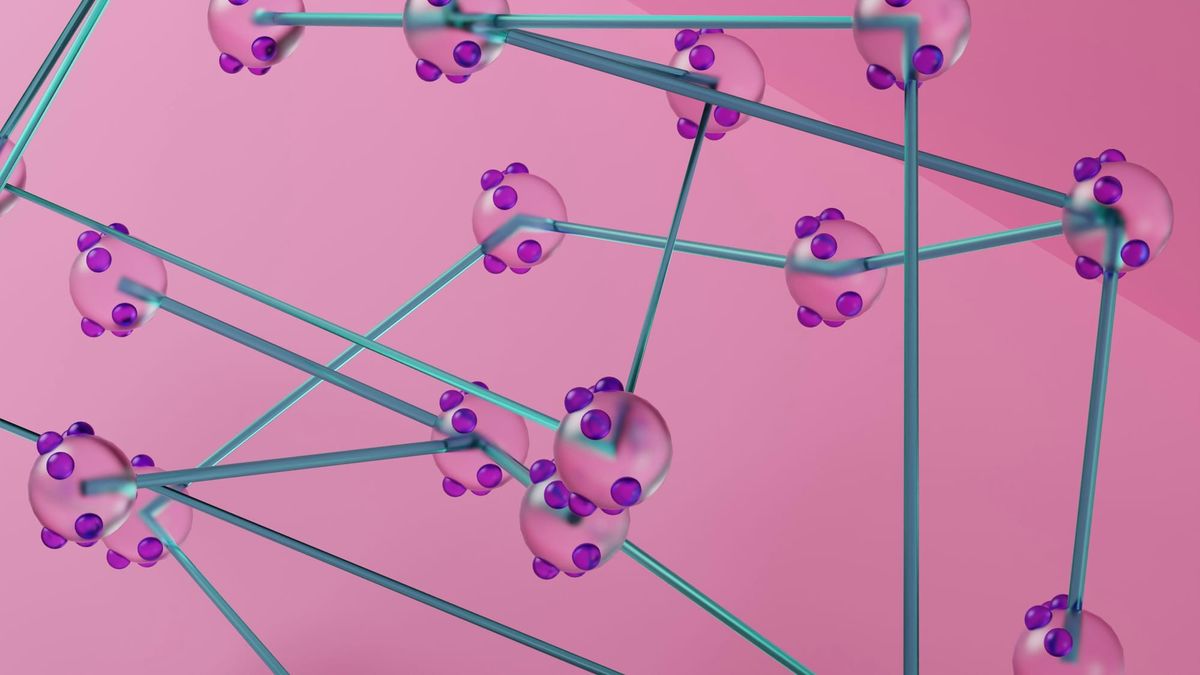
In the cloisters of secular economics and the static blueprints of industrial production, "Man" is interred within a singular, cramped cell: the Item of Cost. Wages, benefits, and the tolls of training are gathered under the grey banner of "Human Resource Costs," standing in the ledger alongside the mute stacks of raw ore, the rot of depreciation, and the cold rent of the stone.
Yet, through the eye of Connectivity, this is no neutral accounting; it is a Foundational Error of Architecture.
I. The Cult of Cost: A Relic of the Static Machine To define Man as a Cost is to swear fealty to a hidden premise: that Man is but a passive intake within a fixed engine. In such a sepulcher:
- The structure of production is carved in stone;
- The shape of the harvest is unchangeable;
- The path of the work is pre-ordained. In such a rigid tomb, Man indeed appears as naught but a consumption of energy—a Cost. But the world has moved; the economy is no longer a static monument.
II. Not a Single Instrument, but a Multitude of Nodes In the living web of exchange, Man is never a singular function. A soul is simultaneously:
- The Provider Node: Offering craft, judgment, and the fire of creation;
- The Seeker Node: Generating the hunger of preference and the grace of feedback;
- The Architect Node: Devising tools and carving new paths of connection;
- The Guardian Node: Harmonizing others and slaying the friction of the machine;
- The Learning Node: Drinking in the signal to evolve the whole.
To label such a multidimensional being as "Cost" is to ignore the vast majority of the offices he holds within the system. Man is the Crossroads where all sub-systems meet.
III. The Sovereign Participant in Every Tie Whether it be the binding of Man to Matter, Man to Man, or Man to the abstract Signal—in our current world, the Initiator and the Judge of these ties is invariably Man. Even amidst the phantom dance of automated systems:
- The craft is designed by the hand of Man;
- The horizon is set by the vision of Man;
- The correction of error relies upon the breath of Man. Man is not a "Consumable" cast into the furnace from without; he is the Functional Node pulsing from within.
IV. The Pathology of the Cost-Logic Once you decree that Man is a Cost, the system begins a rhythmic descent into error:
- It seeks first to wither the number and the reward of the Nodes;
- It blinds itself to the Node's capacity to Learn and Transcend;
- It perceives the Living Web as a Mute Engine;
- It mistakes the fleeting thrift of the moment for the enduring efficacy of the ages. The harvest is a brittle structure: connections decay, feedback stalls, and the spirit of innovation is quenched. These are not failures of management; they are the Structural Consequences of a False Definition.
V. The Ceiling of the System: Nodal Complexity Let us rewrite the decree: Man is not the Cost; Man is the most Foundational, Malleable, and Radiant Node of the system. If this be true, the scrutiny of any Great Work must change:
- We ask not "How many men were used?" but "Where were these souls positioned within the Web?"
- We ask not "Are these nodes dear?" but "Have their functions been awakened?"
In the economics of Connection, the ceiling of growth is never dictated by the hoard of gold or the abundance of ore, but by the Complexity of Connection that Man, as a Node, can sustain.
VI. Summary of 6.1.2
- To view Man as a Cost is a stagnant relic of a dead age.
- In the living web, Man is a Multitude of Functional Offices.
- Man participates simultaneously in Supply, Demand, Innovation, and Order.
- Any system that denies this truth is destined for a systemic eclipse.
This brings us to the next threshold: If Man is the Functional Node rather than the Cost-Element, what, then, is the nature of the "Labor Market"? What manner of holy or profane thing is truly being traded?