68|Our Attitude Toward the Environment
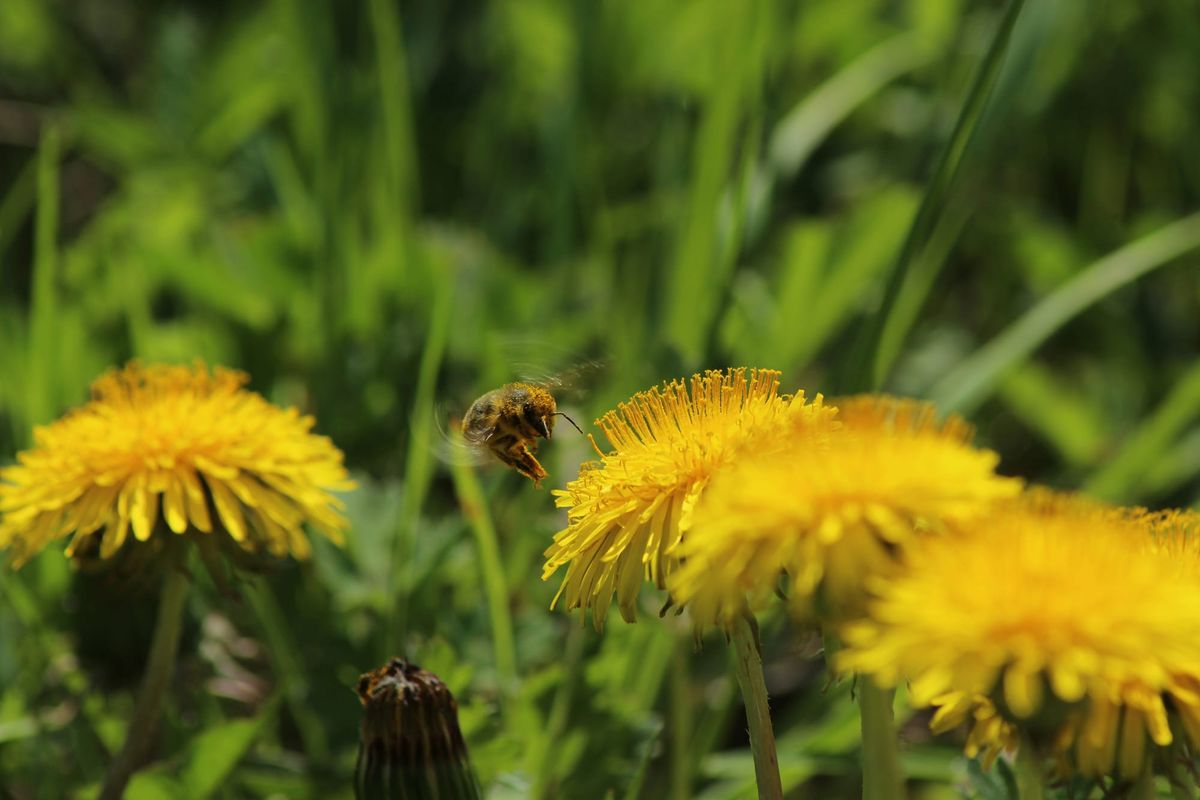
Scripture never states that humanity is the "owner" of the land or the world. What God established is Stewardship, not Ownership. God handed the world to humanity not for us to plunder, squander, and dominate, but for us to cultivate, keep, and maintain. This is the earliest covenant between God and man—a responsibility, not a privilege.
This article aims to reveal:
- Why humanity is not the master of the world, but its steward;
- Why the environment is an entrustment, not merely a "resource bank";
- Why destroying the environment is equivalent to violating God’s covenant.
(1) We Have Never Been the Master, but the Steward
Genesis records: “The Lord God took the man and put him in the Garden of Eden to work it and take care of it.” (Genesis 2:15). Please note:
- God did not say, "You may dispose of this garden as you wish";
- Instead, He gave only two verbs: "to work" and "to take care of" (to cultivate and to keep). This means: Humanity has no absolute ownership, only management rights; humanity is not a conqueror, but a guardian; the world is not an object to be manipulated at will, but a life-system entrusted to us. From the beginning, humanity was placed in the position of "Steward," not "Absolute Sovereign."
(2) The Essence of Stewardship: To Care, Not to Dominate
In God’s order:
- The relationship between man and animals is not one of ruler and ruled, but of watchfulness and coexistence;
- The relationship between man and plants is not one of plunderer and plundered, but of use and nurturance;
- The relationship between man and land is not one of possessor and possessed, but of cultivation and restoration. We may benefit from the world, yet we must simultaneously be responsible for it: we may use it, but not destroy it; we may harvest, but not overdraw; we may build, but we must respect the balance and cycles established by God. Any action that violates this is essentially a betrayal of the Stewardship Covenant.
(3) Destroying the Environment is Violating God’s Covenant
Scripture repeatedly mentions that when man violates the order set by God, the land will "oppose man." Why? Because:
- God’s creation possesses inherent balance and cycles;
- Abundance is built upon order;
- When humanity breaks that order through greed and shortsightedness, the cost appears in the form of "natural reaction." Therefore: plundered land leads to infertility and desertification; a damaged climate leads to frequent extreme disasters; disrupted ecology leads to species collapse and the spread of disease; human greed leads to a society that loses peace and order. These are not just "natural disasters," but the inevitable consequences of humanity violating its stewardship mission.
(4) The Stewardship Attitude: Both Use and Protection
A true steward holds a threefold attitude:
- Use, but do not destroy the foundation: One may cultivate the land, but must allow it a rhythm of rest; one may develop industry, but must retain the carrying capacity of the ecology.
- Benefit, but maintain the balance: One may use technology to improve the quality of life, but not at the expense of future generations.
- Manage, but do not pretend to be God: Once a person regards themselves as the master of the world, the Ego expands to a destructive degree—ultimately, what is destroyed is not the Earth, but the self.
Summary|Original Doctrine 68
- Humanity is not the master of the world, but the administrator (Steward) commissioned by God.
- The world is not an object to be possessed, but an object to be looked after and cherished.
- Destroying the environment is a violation of the Stewardship Covenant and an act against God’s heart.
- Natural disasters are mostly not "punishments from God," but the natural reaction of a disrupted order.
- Caring for the world is loving God’s entrustment and loving our own future.
In one sentence: Humanity caring for the world is fulfilling the stewardship mission given by God; destroying the world at will is tearing up our earliest agreement with God.